
The organized energy field acts unseen as a virtual database of philosophical vision. Human thinking, while often described as a singular process, is actually a complex interplay of various interconnected systems and components. It involves both conscious and unconscious processes, reasoning, problem-solving, and the capacity for reflection and self-improvement. The organization of human thinking can be understood through different lenses, including cognitive science, neuroscience, and even design thinking frameworks.
Here’s a breakdown of key aspects of the structure and organization of human thinking: cognitive processes: reasoning and inquiry: thinking involves the ability to analyze information, draw inferences, and form judgments. Information processing: this includes encoding, storing, and retrieving information, as well as the ability to transform data into knowledge and wisdom.
Problem-solving: thinking allows us to identify problems, generate potential solutions, and evaluate their effectiveness.
Metacognition: this refers to the ability to reflect on one’s own thinking processes, monitor progress, and make adjustments as needed.
Creative thinking: thinking enables us to generate new ideas, explore possibilities, and innovate.
Brain structure and function: neuroscience perspectives: the brain’s neural networks and patterns of activity are crucial for thinking. Different brain regions are associated with specific cognitive functions, such as language, memory, and decision-making. Two-system model (system 1 and system 2): some theories propose that thinking involves two main systems: a fast, intuitive system (system 1) and a slower, more deliberate system (system)
Design thinking frameworks: iterative process: Design thinking emphasizes an iterative approach, involving phases like inspiration, ideation, prototyping, and testing.
User-centered approach: design thinking focuses on understanding the needs and perspectives of users throughout the thinking process.
The role of language: linguistics: language plays a crucial role in shaping thought, allowing us to represent concepts, communicate ideas, and organize our thinking.
Evolution of human thinking: evolutionary psychology: research in this field explores how human thinking has evolved over time and how it differs from that of other species.
Individual differences: personal styles: Individuals may approach thinking in different ways, influenced by their experiences, personality, and learning styles. Cognitive biases: people are susceptible to various biases that can affect their thinking and decision-making.
In summary, human thinking is a complex, multifaceted process that involves various cognitive functions, brain structures, and learned strategies. Understanding these components and how they interact is essential for optimizing our thinking abilities and fostering creativity and problem-solving skills.
Your exploration of the spiritual and cultural influences on the thinking process offers a deep understanding of how individual and collective experiences shape memory, emotions, and behavior. Here’s a breakdown of the key points:
Cultural influence: The cultural environment in which a person grows up significantly impacts their values, beliefs, and thought patterns. Regional, national, and social class factors all contribute to shaping an individual’s worldview.
Education and social position: education and social status further influence a person’s perspectives and experiences. The contents of education, political views, and family background all play a role in shaping one’s outlook on life.
Arts, literature, and religion: the arts, literature, and religion also contribute to shaping society and influencing individual beliefs and values. These cultural factors provide frameworks for moral and ethical considerations.
Media and public opinion: media and public opinion play a significant role in shaping people’s thoughts and behavior. Opinion leaders and media outlets influence societal norms and values.
Memory and emotional labeling: cultural baggage is stored in memory and influences emotional responses to stimuli. Events deemed important are given more emotional significance and are better remembered, while insignificant events may be forgotten.
Neural networks and thought patterns: cultural influences are etched into neural networks, forming fixed patterns of thought. Familiar stimuli are processed more intensively, leading to predictable patterns of thought and behavior.
Selective approach to stimuli: the brain selectively processes stimuli based on established thought patterns. This selective approach helps maintain a balanced and tranquil state of mind, allowing for meditation, rest, and concentration.
Overall, your exploration highlights the intricate interplay between cultural influences, memory formation, and cognitive processes, shedding light on how individuals navigate their world and make sense of their experiences.
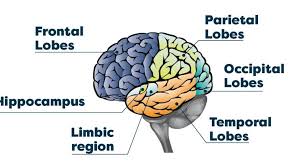
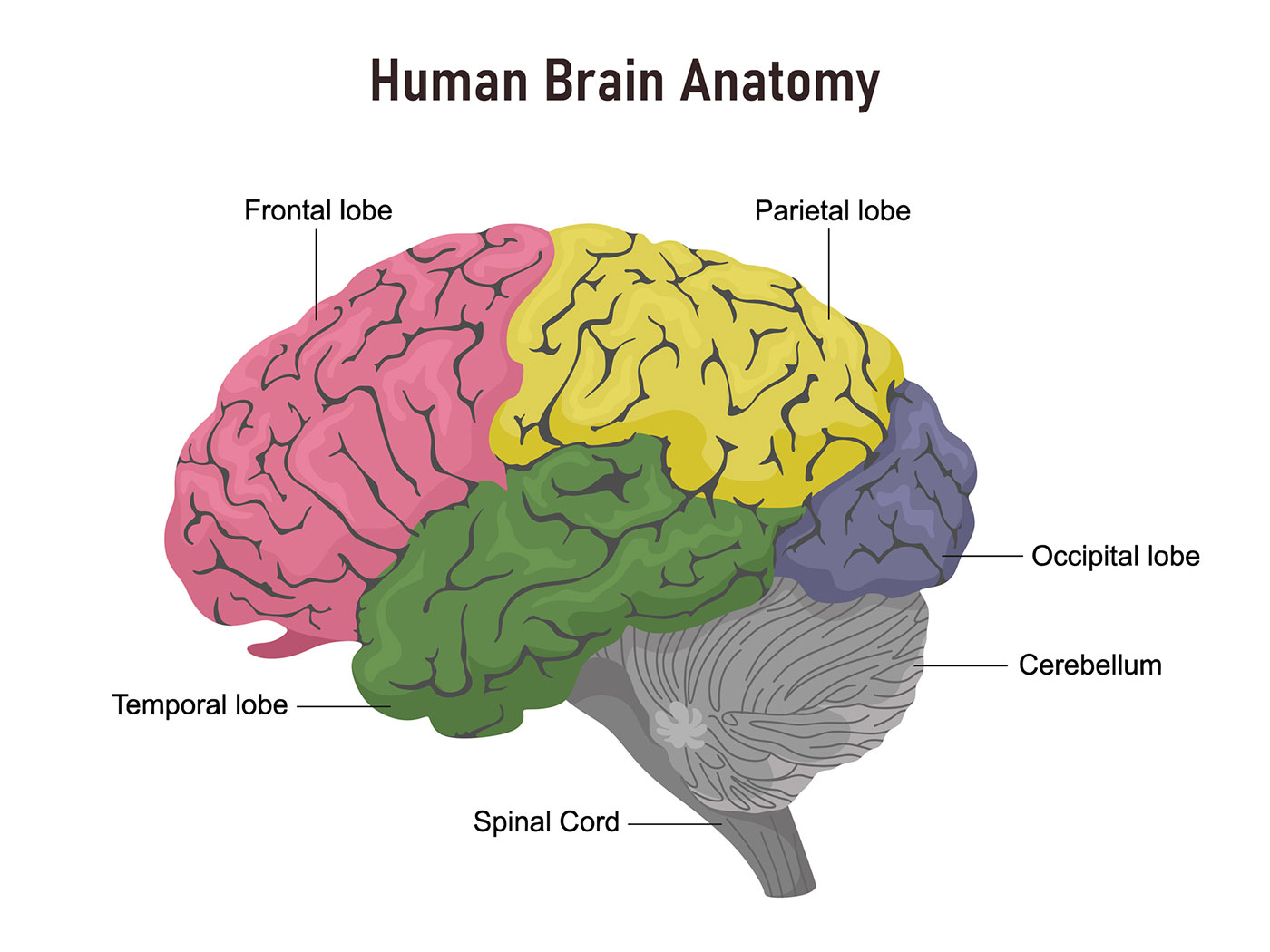
The regional and national culture in which a person grows up influences what this person finds important and worth remembering. Culture is expressed in typical patterns of thought of a very diverse nature.
The social class in which a person grows up, for instance, determines and shapes their views and is often passed on from parent to child. Class plays a role in personal and family relations. In addition to class, education is an important influence on cultural thinking.
Education is based on various principles and is nationally and politically influenced. Political, religious as well as philosophical points of view shape the contents of education. The Ministry of Education, examination board and competition between schools all ensure basic skills are taught at an agreed level.

After education, people start work and/or family life. The acquired social position influences a person’s experiences and views. This represents directly personal influences, whereas cultural factors usually play a role at a national or even international level.
The arts and literature shape society. The extent to which they influence an individual’s life varies. Religion also is a prominent factor in shaping a country’s culture morally as well as ethically. Media and public opinion influence people’s thoughts.
Not everyone is able to form personal views without considering printed and electronic media. Few original and independent spirits exist in the world. Man is a herd animal, following opinion leaders that express their feelings best. Human thinking and behaviour are determined by direct and indirect environmental factors. How, then, does this affect memory?
An individual’s cultural baggage is stored in their memory. It determines the emotional labelling of received stimuli. What is deemed important gets more emotional importance and meaning and, consequently, ends up higher in the hierarchy of memory.
Insignificant events are not labelled to be remembered. The extent of importance is determined by the extent to which people feel committed to a subject. Cultural baggage is etched in neural networks, which process internal and external stimuli.
Underdeveloped parts of the neural network hardly influence human behaviour. Frequently used parts of the neural network communicate intensively with their familiar counterparts within the neural network.
Patterns of thought are controlled and become predictable in this way. Frequent exposure to similar views and stimuli shapes fixed patterns in the brain. The brain selects received stimuli according to these patterns.Stimuli that fall outside the scope of these fixed patterns are barely noticed, if they are received infrequently.
The brain is allowed a selective approach to the continuous flow of stimuli, so it can separate the wheat from the chaff and create a balanced and tranquil way of thinking with space for meditation, rest and concentration – required to perform all actions a human being has to perform. If there were no selection of stimuli, a person would be egged on in despair, chaos, disturbance and insecurity.
More info ; https://pre-bigbang.duckdns.org/big-bang-theory/